
Dead Wooding Fraser Coast
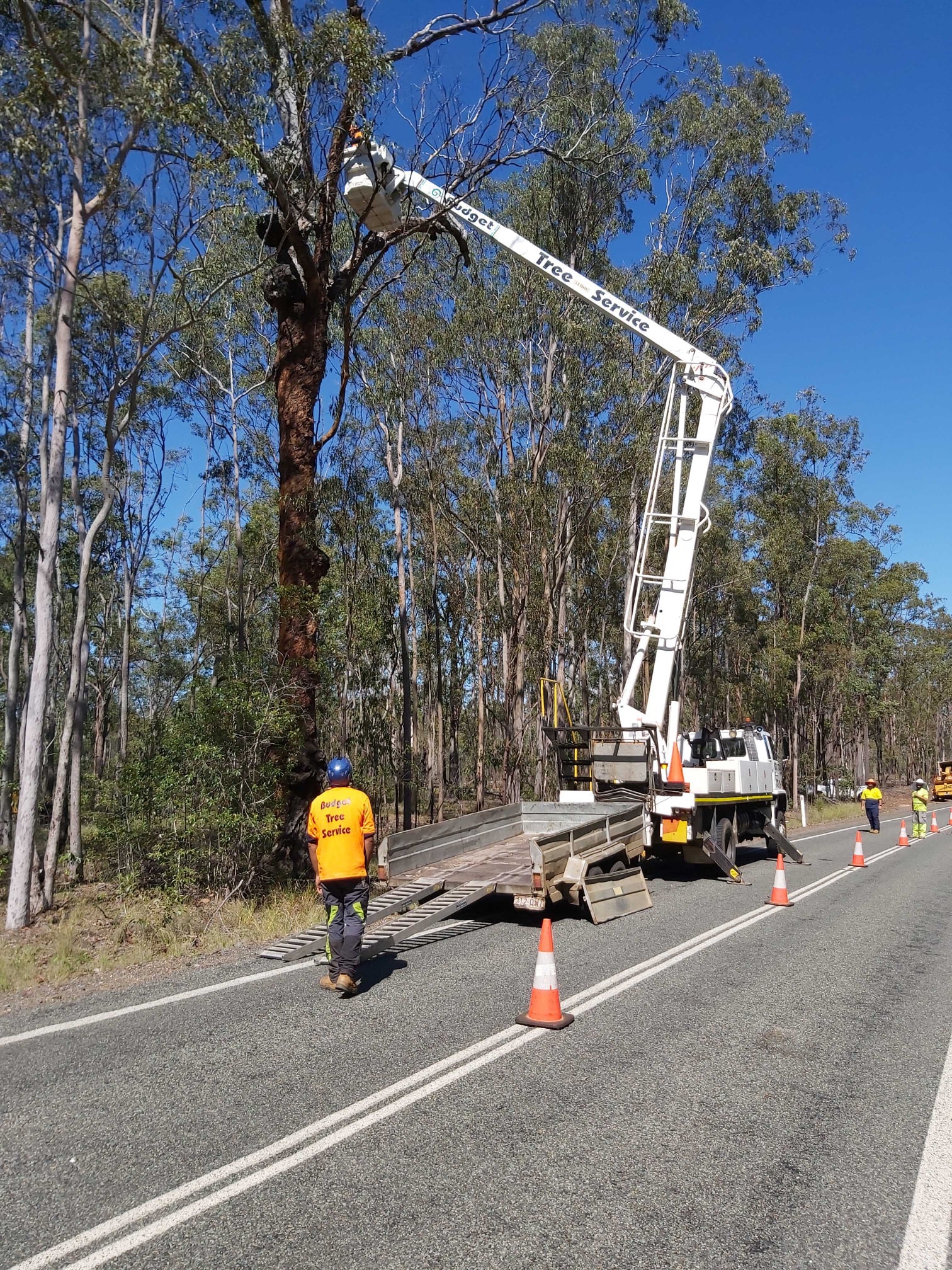
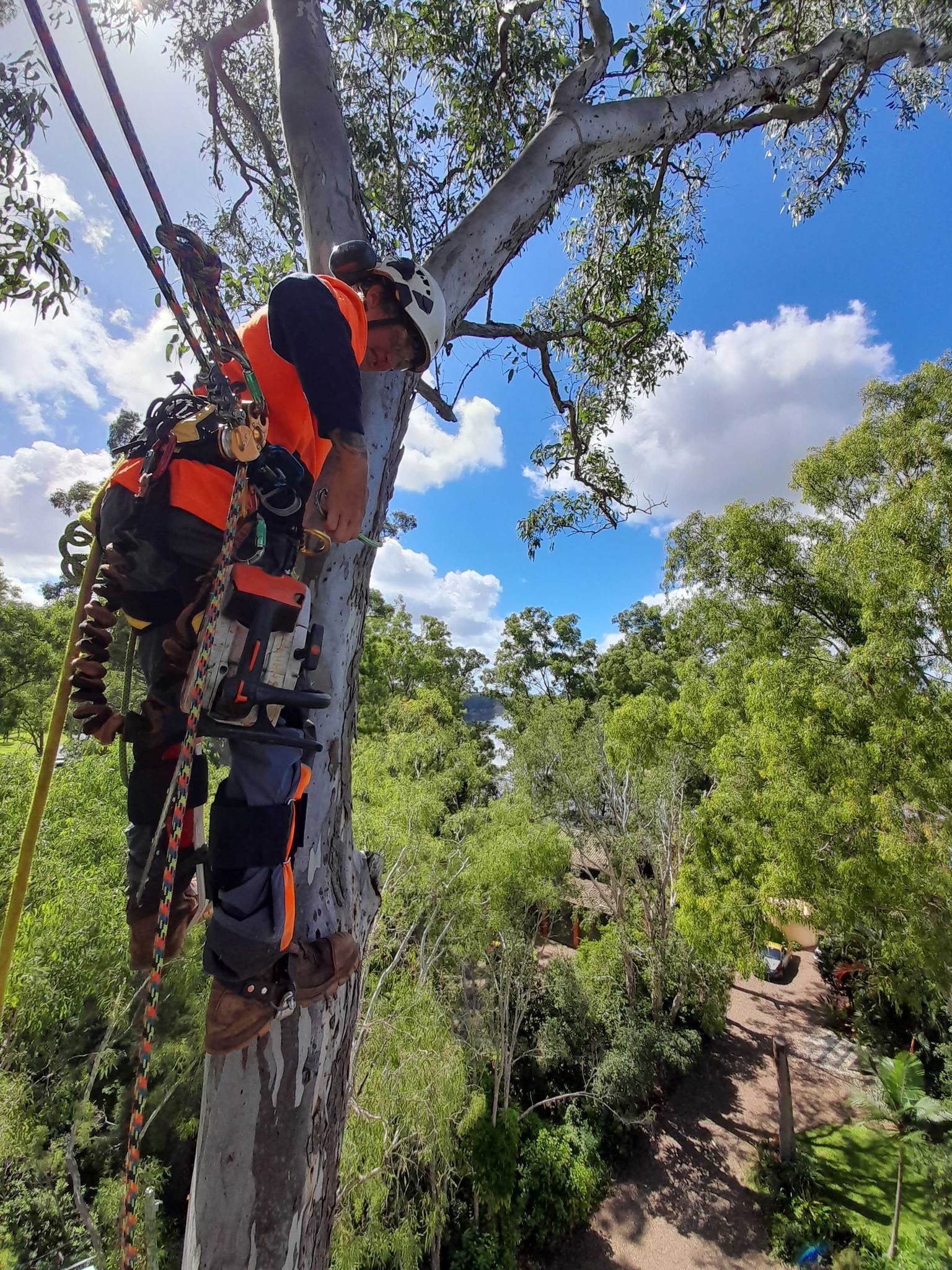
Budget Tree Service provides professional dead wooding across the Fraser Coast, including Hervey Bay, Maryborough and surrounding areas. Dead wooding is an important part of tree maintenance, helping reduce risk while supporting the ongoing health and structure of the tree.
Dead or dying branches can become brittle and unstable, increasing the likelihood of limbs falling without warning. Removing this material reduces the risk to people, property, vehicles and surrounding areas.
Why Dead Wooding is Important
Dead wooding focuses on the removal of dead, dying or weakened branches from within the tree canopy. These branches are more likely to fail, particularly during high winds, storms or periods of stress. This type of pruning is often carried out alongside works such as crown lifting to improve overall clearance and structure.
Removing them helps:
– Reduce the risk of falling limbs
– Protect people, property and surrounding areas
– Improve overall tree safety
– Reduce debris and ongoing maintenance issues
– Support healthier tree structure
In many cases, dead wooding is a simple way to make a tree safer without needing major pruning or removal.
A Practical Approach
Every tree is different. Species, size, condition and location all influence how dead wooding should be carried out.
Our arborists assess each tree before works begin to identify dead or compromised branches and determine the most suitable method of removal. This ensures the work is targeted, efficient and avoids unnecessary cutting.
Maintaining Tree Health
Removing dead wood allows the tree to better direct energy into healthy growth while reducing stress on the overall structure.
Dead wooding can also improve airflow and light within the canopy, contributing to a more stable and balanced tree over time.
Storm and Risk Management
Dead wooding is particularly important in areas exposed to wind and storms. Removing weak or damaged branches ahead of time can significantly reduce the risk of failure during adverse weather.
Regular maintenance can help prevent unexpected damage and reduce the likelihood of emergency work following storms.
Dead Wooding FAQs
What is dead wooding?
Dead wooding involves removing dead, dying or broken branches from a tree to improve safety and reduce the risk of falling limbs.
Why is dead wooding important?
Dead branches can become unstable and pose a risk to people, property and surrounding areas. Removing them helps maintain a safer environment.
Will dead wooding improve the health of the tree?
Yes, removing dead or damaged branches allows the tree to direct energy into healthy growth and reduces the risk of decay spreading.
Can dead wooding be done on any tree?
Most trees can benefit from dead wooding, particularly mature trees where dead branches are more likely to develop.
How often should dead wooding be carried out?
This depends on the tree species, age and condition. Some trees may require periodic maintenance, while others are addressed as needed.
Get a Quote
If you have concerns about dead branches or would like your trees assessed, contact Budget Tree Service for a free, no-obligation quote. We will attend site and provide practical advice based on the condition of your trees and surrounding environment.
WHY CHOOSE US
Our professional, flexible approach sets us apart.
Professional service
We provide free, no-obligation quotes and quality service. We promise to attend to your job as quickly and efficiently as possible.
Respect for your property
We believe a job isn’t truly finished until your property is clear of all debris, and our crews always clean up after themselves.
First-class equipment
Our state-of-the-art equipment allows us to provide safe, efficient and cost-effective services across a wide range of jobs and requirements.